

In the spring of 2011, Oceana launched a research expedition in the Baltic Sea. The two-month journey took place aboard the Hanse Explorer, a 48-meter ice class vessel built for long exploration voyages and diving operations. See other Baltic Sea images in our photo gallery of the expedition.
slideshow
Biodiversity in the Baltic Sea
In the spring of 2011, a research crew from Oceana spent two months in the brackish Baltic Sea. The Baltic faces challenges from pollution, algae blooms, over fishing, and invasive species. Oceana researchers gathered data, samples, photographs, and videos with the goal of proposing an expanded set of marine protected areas.
Using divers and an underwater robot, the crew documented the biodiversity in the waters off every country bordering the Baltic. The team covered more than 7,000 nautical miles and completed more than 130 dives. Oceana is planning a follow-up expedition in the spring of 2012. Watch videos and learn more about the expedition on Oceana's website.




The Hanse Explorer, Research Vessel
Credit: © OCEANA Carlos Minguell
Oceanographer Xavier Pastor
Credit: © OCEANA Carlos MinguellOceanographer and executive director of Oceana Europe, Xavier Pastor, led the Baltic Sea expedition. The crew covered more than 7,000 nautical miles and completed more than 130 dives to collect samples and take underwater video and photos. This documentation will help the team prepare proposals for new marine protected areas or the extension of existing ones. See other Baltic Sea images in a photo gallery of Oceana's 2011 expedition.

An ROV Explores the Baltic Sea
Credit: © OCEANA Carlos MinguellThe Hanse Explorer crew used a remotely operated underwater vehicle, or ROV, capable of diving to depths greater than 300 feet (91 meters). The ROV helped the crew document life in the waters off all nine countries bordering the Baltic. View other images of Baltic Sea life in a photo gallery of Oceana’s 2011 expedition.

Urticina Felina, a Baltic Sea Anemone
Credit: © OCEANA Carlos MinguellThe Baltic is a brackish sea, a unique combination of freshwater from rivers in the surrounding countries and salt water from the ocean. The low salinity levels are one of the factors that determine which plants and animals can live there. The sea anemone Urticina feline, a member of the Cnidaria Phylum, is shown here. View other images of Baltic Sea life in a photo gallery of Oceana’s 2011 expedition.

An Edible Crab Covered with Barnacles
Credit: © OCEANA Carlos MinguellAcorn barnacles (Balanus crenatus) make a home on the carapace of an edible crab (Cancer pagurus). Much of the Baltic suffers from eutrophication that leads to oxygen depletion. The algae blooms caused by eutrophication can give the water a green sheen. View other images of Baltic Sea life in a photo gallery of Oceana’s 2011 expedition.

Dead Man’s Fingers
Credit: © OCEANA Carlos MinguellDead man’s fingers (Alcyonium digitatum) are soft corals named for their appendage-like appearance when thrown ashore by storms. The finger-like clumps of coral polyps come in various shades of pink, orange, white, grey, or yellow and are found along the northern Atlantic coasts of Europe and North America. View other images of Baltic Sea life in a photo gallery of Oceana’s 2011 expedition.

A Baltic Sea Nudibranch
Credit: © OCEANA Carlos MinguellNudibranchs are mollusks that have evolved from shelled ancestors. Like the reddish-orange Coryphella verrucosa shown here, they're often noted for their vibrant colors and striking forms. View other images of Baltic Sea life in photo gallery of Oceana’s 2011 expedition.

An Underwater Photographer Battles the Baltic's Cold Waters
Credit: © OCEANA Carlos SuárezThe Baltic’s waters are so frigid that the sandy seabed was often frozen during Oceana's 2011 expedition. The divers’ underwater cameras had to be put on automatic settings to take photos, as their fingers were too numb to operate the buttons. View other images of Baltic Sea life in a photo gallery of the Oceana expedition.

A Snailfish Swimming in the Baltic Sea
Credit: © OCEANA Carlos MinguellOn many of the dives, Oceana's 2011 Baltic Sea expedition team saw little wildlife in the oxygen-depleted areas. But near some marine protected areas, the crew saw an array of marine life, including kelp, starfish, mussels, and snailfish (also known as sea-snails), like the Liparis liparis shown here. View other images of Baltic Sea life in a photo gallery of the expedition.

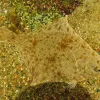
Flounder Faces Pollution and Overfishing in Baltic Sea
Credit: © OCEANA Carlos MinguellFor centuries, the Baltic Sea has provided European flounder (Platichthys flesus) and other fish for millions of people to consume. Since the early 1980s, the nations surrounding the sea have coordinated their efforts to protect its health through the Helsinki Commission. In addition to being overfished, the Baltic Sea is one of the more polluted bodies of water in the world. You can read about some of the impacts that chemical pollutants have had on European flounder on the IUCN's Red List of Threatened Species website. View other images of Baltic Sea life in a photo gallery of Oceana’s 2011 expedition.

Map of Oceana's 2011 Baltic Expedition
Credit:In 2011, Oceana researchers spent two months surveying life and conditions in the Baltic Sea. The team covered more than 7,000 nautical miles and completed more than 130 dives. The data, samples, video, and photos they gathered may inform the expansion of marine protected areas. See some of the plants and animals the team found in a photo gallery of the expedition.